
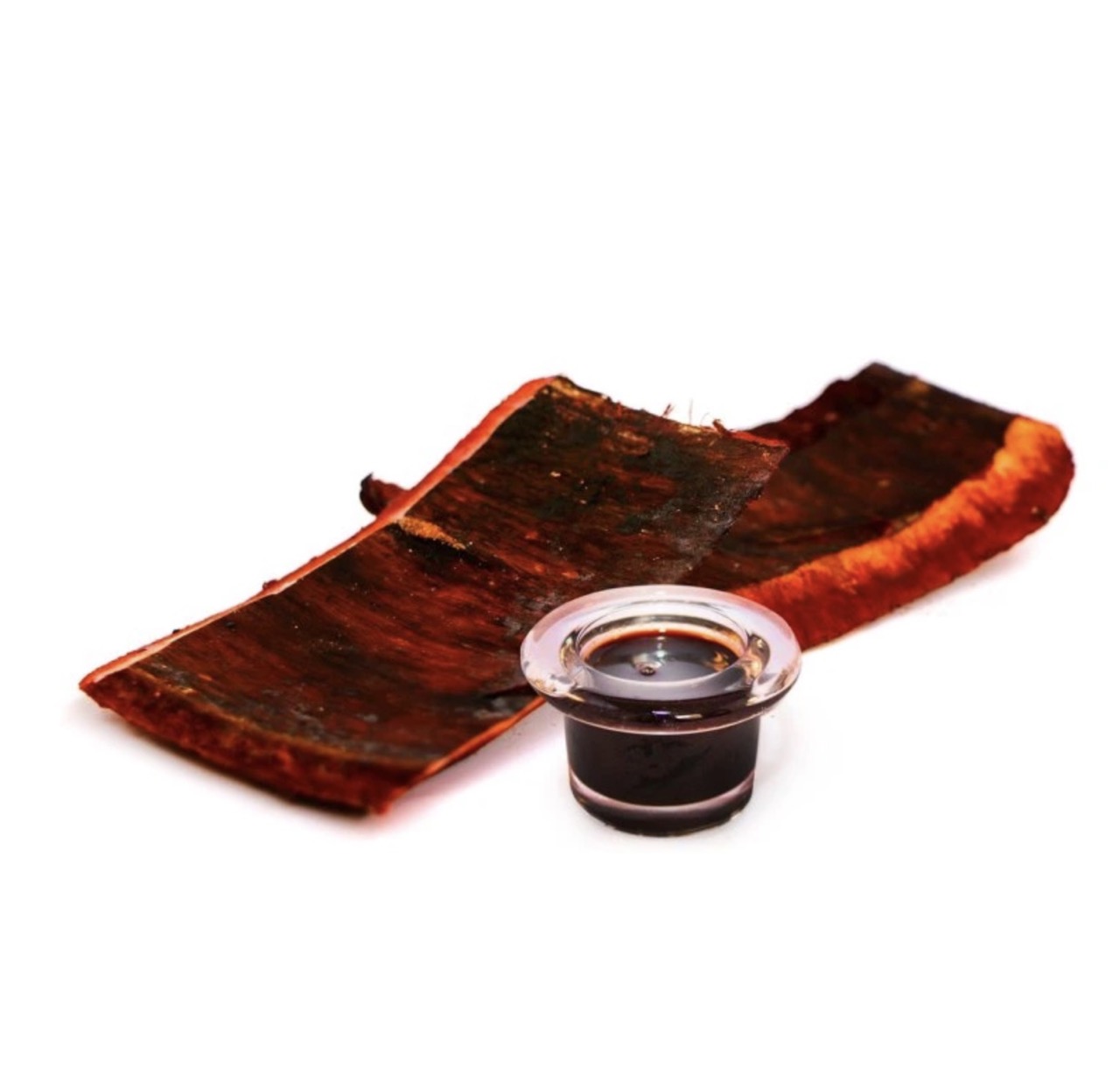
Amazon · Peru · 30 ml
Dragon’s Blood “Sangre de Drago”
100 % pure resin of the Croton lechleri tree, hand-harvested from freely growing trees in the Peruvian rainforest.
View product
Prihlásenie
Registráciou získate niekoľko výhod ako ako používateľský profil pre pohodlnejšie nakupovanie, 5% zľava na nákupy v eshope a novinky na e-mail.
Nápoveda: Na objednávku nepotrebujete účet. Vytvoriť si účet .
Zabudli ste heslo? Môžete si ho obnoviť.
Vytvoriť si účet
Teší nás, že ste sa rozhodli zaregistrovať v našom e-shope. V prípade potreby môžete vyplniť aj dodaciu adresu, ak sa nezhoduje s fakturačnou .
0 ks | 0.00 €
Nákupný košík je prázdny.
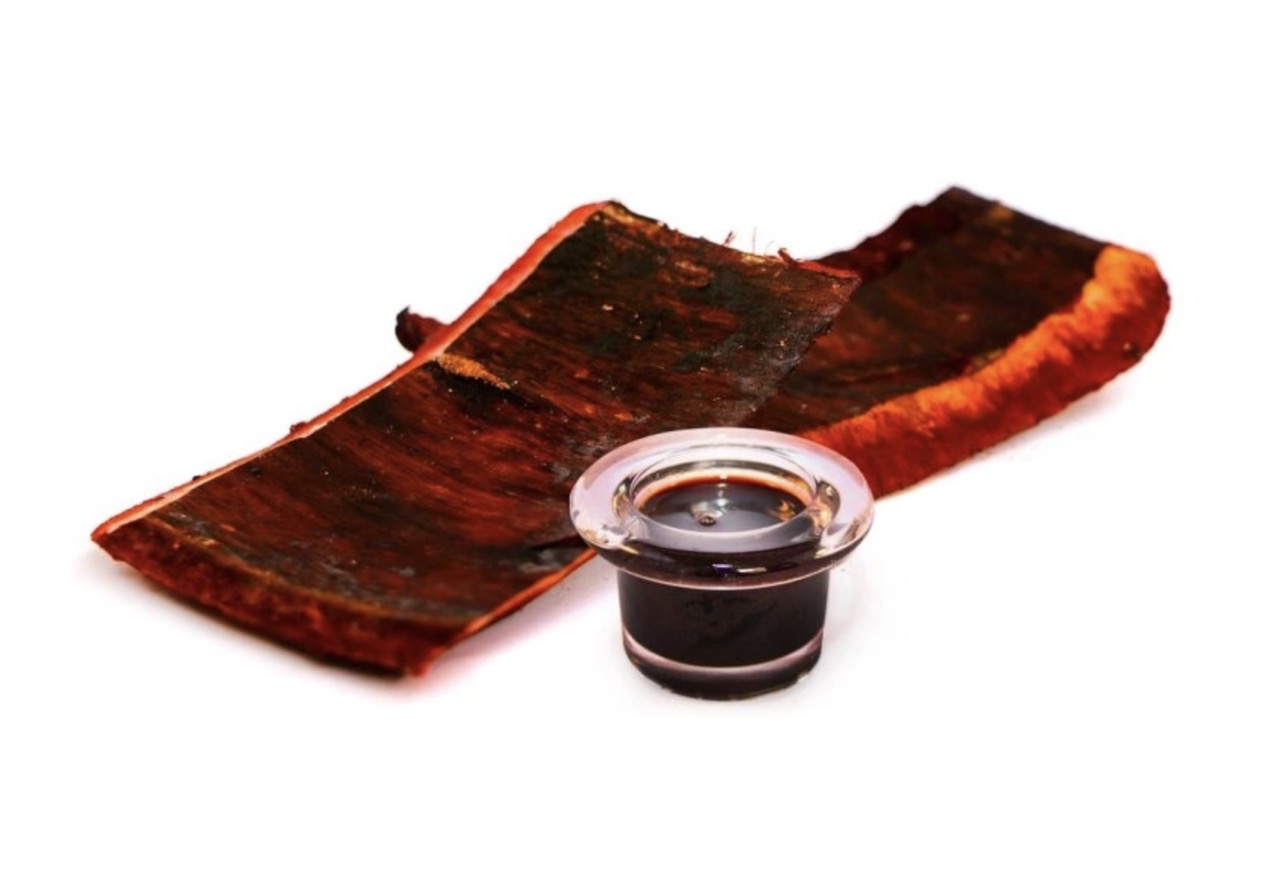
Amazonian resin
A rare and powerful resin, hand-harvested from wild-growing trees deep in the Peruvian rainforest. When the bark of the Croton lechleri tree is scored, a thick dark-red sap slowly flows out – the “blood of the tree”.
Dragon’s Blood, known in Peru as Sangre de Drago or Sangre de Grado, comes from the Croton lechleri tree and has been cherished for centuries for its natural antibacterial and antiviral properties. No wonder it is often called nature’s antibiotic.
It supports the immune system, promotes healthy digestion and works wonders on the skin – helping to speed up the healing of cuts, ulcers, mouth sores, cold sores, eczema and more.

In this article
Botany
Croton lechleri
Latin name
Euphorbiaceae
family
10–20 m
height
W. Amazon
home
Croton lechleri is a fast-growing tree of the western Amazon. It occurs naturally mostly in the lowlands of Peru, Ecuador, Colombia and Bolivia – often at the edge of the forest, in clearings and along rivers. It is a so-called pioneer tree, one of the first to settle open spots in the forest.
It has large heart-shaped leaves, pale bark and small greenish flowers in long clusters. The most precious thing is hidden under the bark – the deep-red sap with which the tree protects its own wounds. The genus Croton is vast, but it is Croton lechleri that became famous as Sangre de Drago.
Tradition
For generations, Amazonian tribes have used Dragon’s Blood as part of their traditional medicine – to heal wounds, boost immunity and protect the body from infections.
Every drop carries the wisdom of the rainforest, preserved and passed down through time. For Amazonian peoples Croton lechleri is a sacred and protective tree, and its “blood” is associated with protection, strength and renewal – a tree that can close its own wounds became a symbol of the resilience of the forest itself.
Knowledge of the resin was handed down orally from elders to the young. Even European chroniclers wrote about the red sap of Amazonian trees: the Spanish naturalist and Jesuit Bernabé Cobo, who lived in Peru for many years, described it in the 17th century.
Harvest
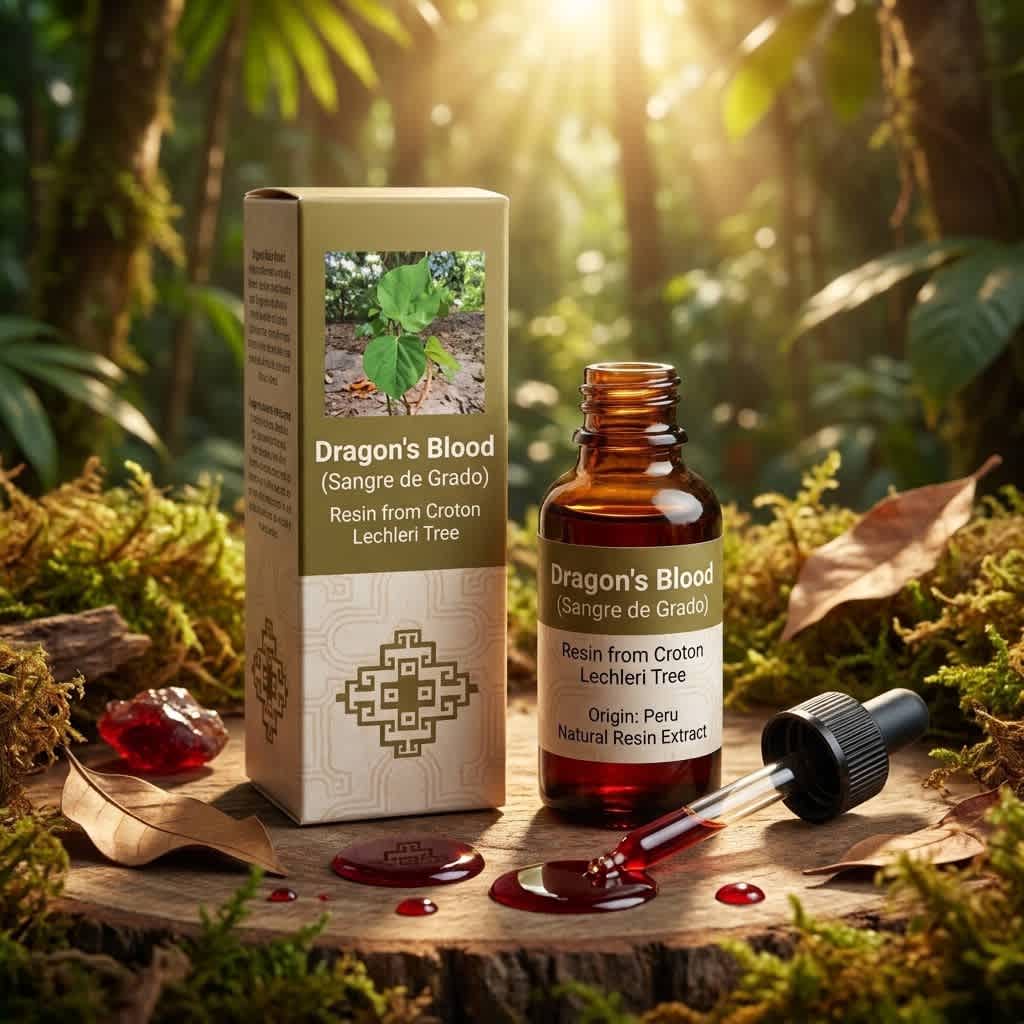
The resin is hand-harvested from freely growing trees, drop by drop. Our resin is fresh and completely unprocessed, sourced from a sustainable and eco-friendly project in the heart of Peru.
Harvesting takes place right in the rainforest, without artificial plantations.
The bark is gently scored to let the sap flow.
The flowing drops are patiently collected by hand.
The result is 100 % pure, unprocessed resin.
Only a limited amount of sap flows from one tree, and harvesting takes time and patience. That is what makes this resin so rare and special.
Quality
Apply a few drops to your skin and watch as it creates a natural “soapy” foam – a unique feature of real Dragon’s Blood.
Dark, rich red to brownish-red resin.
Rubbed between the fingers, a few drops turn into a light, creamy foam.
The slightly bitter, tangy taste is another sign of authenticity and purity.
Unpreserved resin may form sediment over time – it only needs to be shaken.
Beware
Red resins from entirely different plants are sold under the name “dragon’s blood”. If you are looking for the Amazonian one, always check the Latin name Croton lechleri and the liquid form of the resin.
Use
Shake well before use.
Add 3 drops to 100 ml (about 3.4 oz) of water, 3 times a day, ideally 30 minutes before meals.
Apply a few drops directly onto clean skin. Let it dry naturally or gently massage it in.
Dietary supplement. Do not exceed the recommended daily intake of 250 mg. See the notes at the bottom of the page.
Sustainability
With growing interest in Sangre de Drago grows the responsibility for how it is obtained.
Careless harvesting sometimes means entire trees are felled to get as much sap as possible at once. A gentle approach is based on lightly scoring the bark of living trees so they can recover. Because Croton lechleri grows quickly, projects in Peru also deliberately plant it and so help restore damaged parts of the rainforest.
For us it is important that the resin comes from freely growing trees and from harvesting that respects nature and local communities. Dragon’s Blood isn’t just a product – it is a connection between you and the raw power of the natural world.
FAQ
A dark-red natural resin of the Amazonian tree Croton lechleri. In Peru it is known as Sangre de Drago or Sangre de Grado.
Because the thick dark-red sap flowing from the scored bark looks like blood – for Amazonian peoples, the “blood of the tree”.
Fresh, completely unprocessed resin from a sustainable, eco-friendly project in the heart of the Peruvian rainforest.
A few drops rubbed on the skin turn into a light “soapy” foam, and the taste is slightly bitter and tangy.
No. That is a different plant (Dracaena cinnabari) and a solidified resin. Always check for the Latin name Croton lechleri and the liquid form.
Unpreserved natural resin may form sediment over time – shake well before use.
It is not suitable for children under 3, or for pregnant or breastfeeding women. Keep out of reach of children.
Video
Write to us and we will be happy to help.
Contact La HerbaHaux e muita alegria!

Kuntanawa sú národom, ktorý takmer zmizol z mapy Amazónie. Z celých dedín zostala jediná rodina – a z nej dnes znovu rastie komunita, ktorá obnovuje svoj jazyk, rituály a vzťah k pralesu.


Pôvod, tradícia, intenzity a zodpovedný prístup na jednom mieste.
Najčastejšie otázky, ktoré od vás dostávame o Sanange – tradičnom amazonskom pr...

Každá zo siedmich čakier má v jogovej tradícii svoju farbu, živel a tému. A keďže jedlo je jedným z najkaždodennejších spôsobov, ako sa spájame so Zemou, mnohí ľudia hľadajú aj to, aký ...
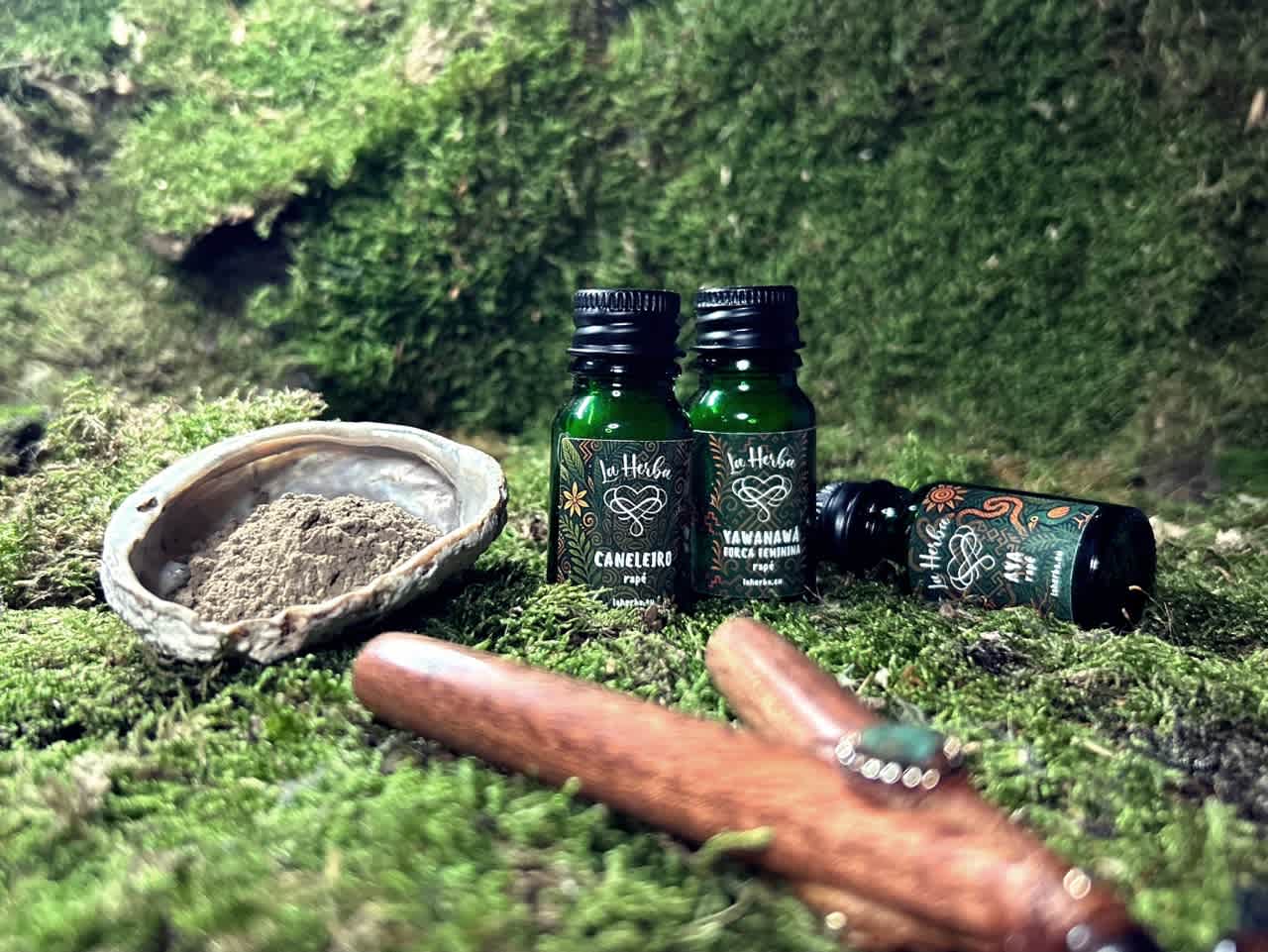
Rapé (Hapé) je posvätná medicína amazonských kmeňov – jemný prášok z Mapacha, popola z kôry stromov a liečivých rastlín, ktorý sa pripravuje s modlitbou, piesňami a úctou.
Rapé vyrábajú dom...

